


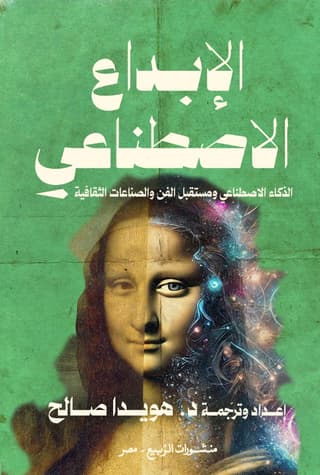
Artificial Creativity
By Al-Rabie PublicationsPublished by Al-Rabie Publications
In 2018, I read a Washington Post report about a painting created by artificial intelligence that sold at Christie's London auction for $432,500. At that time I became very absorbed in the subject of intelligent machines that can think like humans, especially as I was infatuated with the film "I, Robot" produced in 2004, about the machine and how it can think beyond what its maker set for it, and how it can rebel against its human creator, even try to kill him.
DeliveryDepends on the shipping method PaymentSeveral ways to pay Safe checkoutYour details are protected
- Coming soonReaders rating
- Coming soonPublished
- Coming soonPages
- 108Author's books here
About the book
In 2018, I read a Washington Post report about a painting created by artificial intelligence that sold at Christie's London auction for $432,500. At that time I became very absorbed in the subject of intelligent machines that can think like humans, especially as I was infatuated with the film "I, Robot" produced in 2004, about the machine and how it can think beyond what its maker set for it, and how it can rebel against its human creator, even try to kill him.
Since then I have been thinking of writing a book about artificial intelligence and thinking intelligent machines, and how they can produce art or literature. The sale of this painting for a large sum highlighted the ability of artificial intelligence to produce marketable works of art, which raised my questions and those of the fine-arts community worldwide about the future of human artists in creating valuable pieces.
But what made me back away from writing this ambitious book, which could have been the first of its kind in Arab culture, is that the Arab culture's contribution to such highly specialised and scientifically advanced topics is very small, even after artificial intelligence developed and reached the details of our daily lives, starting with the smartphone we carry, through the production of paintings, graphic designs, comics and literary texts, the creation of films with artificial actors, and not ending with the social media sites that use that artificial intelligence to direct sponsored ads precisely to people with specific interests and interactions, nominating them as potential customers for every advertised product.
However, the inevitable shift from simple digitisation to creativity based on sets of technologies forces everyone to rethink the way we do our work in literature, the arts and cultural industries, and will force creators in all these fields to innovate relentlessly and continuously to keep up with the machine's instant evolution. Therefore I chose these varied studies that examine the future of all these fields, to help support the scarce Arabic content.
Book details
- Authors
- Al-Rabie Publications
- Pages
- Coming soon
- Format
- Paperback
- Language
- Arabic
- Publisher
- Al-Rabie Publications
- Category
- Studies & Criticism, Cultural Studies
- ISBN
- Coming soon
- Reads
- Coming soon
- Share

Al-Rabie Publications
Egyptian publisher
Best Egyptian Publisher award, 2025.
Reader reviews
Be the first to review this book
Your opinion helps other readers choose.