

When we began the “Renaissance Writings” project, the question that accompanied us was simple: what happens when today’s reader goes back to texts written more than a century ago? We found that much of what we thought was the past still resembles our own questions: what kind of education do we want? How do we reconcile renewal with authenticity? And what place is there for women in public life?
Questions still unsettled
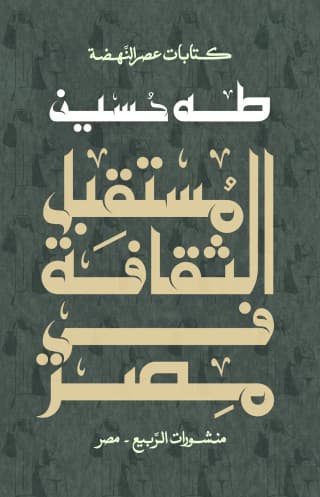
In “The Future of Culture in Egypt”, Taha Hussein writes of a dream that goes beyond writing to building a modern life, saying:
I want, as every cultured Egyptian who loves his country and cares for its dignity and the good opinion of people about it wants, our modern life to be suited to our ancient glory. Taha Hussein, The Future of Culture in Egypt
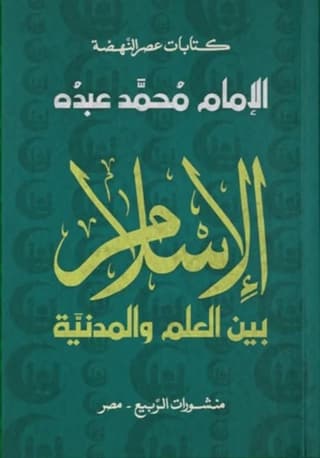
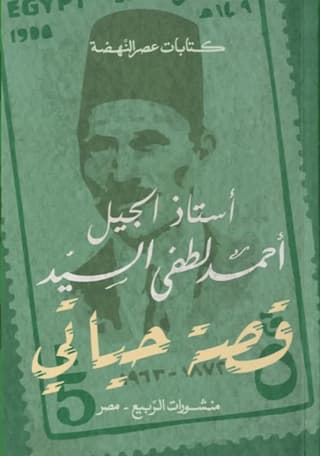
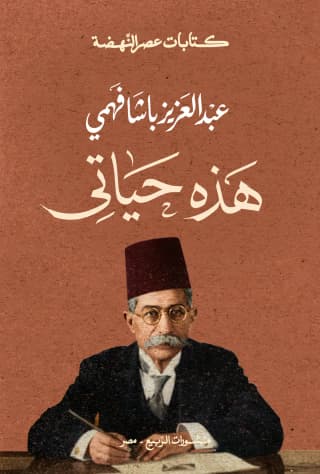
In “Islam Between Science and Civilisation”, Imam Muhammad Abduh treats the question of the relationship between religion and science, a question that has not lost its heat. The autobiographies open a window onto the daily life of that period, from Ahmed Lutfi al-Sayyid’s “The Story of My Life” to Abdel Aziz Fahmy’s “This Is My Life”.
How do we read them today?
We do not read these books to memorise names and dates, but to see how those before us thought when they faced moments of great change. Read one text at a time, pause at the passage that surprises you, and compare it with what we read today.
- “The Future of Culture in Egypt” by Taha Hussein
- “Islam Between Science and Civilisation” by Muhammad Abduh
- “The Story of My Life” by Ahmed Lutfi al-Sayyid
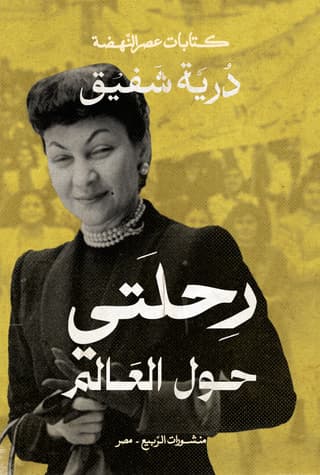
- “My Journey Around the World” by Doria Shafik
Comments
makaruos mekhail
هذه المدونة ممتازة ورائعة
makaruos mekhail
تمام زى الفل وممتازة جدا